






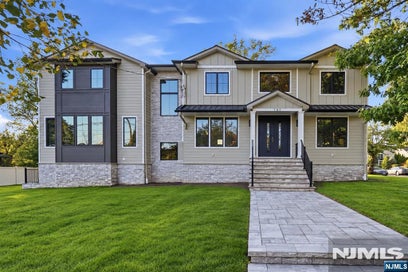

A home search that starts with the closing file
In River Edge, a good floor plan is only part of the choice. The borough's current resale packet calls for closed permits, safe sidewalks and alarm checks that depend on the home's age and later work. Use the live homes above, then compare the actual house, its records and its route to the train. These are checks to plan, not a promise that a home will pass.
Older housing makes the paper trail worth checking early
The borough’s June 12, 2025 Housing Element reports 4,479 housing units from the 2023 ACS. Its structure table lists 3,261 detached units. The age table puts 3,447 units before 1970. These are historical estimates of units, not a count of buildings or homes for sale today.
For a buyer, age is a reason to ask better questions, not to reject a house. Ask for the permit file for additions, electrical work and finished space. Compare it with what you see at the showing. The resale packet uses both original construction dates and later work when it describes alarm rules.
Some narrative text in the housing report does not agree with its own tables. For example, the age table includes units built after 2000 while the nearby text says none. This guide uses the dated table entries, not that sentence. It does not turn those entries into a claim about current new construction.
Match the alarm check to the house and its later work
The current resale packet links alarm requirements to construction or alteration dates. Its smoke detector instructions carry an August 28, 2019 revision date. Ask the inspector which band and which later work apply to the actual property.
- Before January 1977: battery smoke detectors on all levels.
- January 1977 through September 1978: electric smoke detectors on sleeping levels and battery units on other levels.
- October 1978 through January 1983: electric smoke detectors on sleeping levels and the basement level.
- February 1983 through July 1984: electric smoke detectors on all levels.
- August 1984 through February 1991: electric smoke detectors on all levels, interconnected.
- March 1991 to present, as the posted packet states: electric smoke detectors on all levels and inside each bedroom, interconnected with battery backup.
The instructions also call for a smoke detector on every level, including the basement, and within ten feet of every bedroom door. They say not to replace an electric detector with a battery unit and to replace units over ten years old. Do not assume a box of new battery alarms settles the question for every River Edge house. Confirm the system, dates and applicable work before buying equipment.
A monitored alarm needs a system report, not just a test button
For a monitored smoke detection system, the resale packet says the system must work and asks for an NFPA 72 test report from the monitoring company. Tell the office exactly what is installed and arrange the report with the right provider.
The smoke alarm page uses the phrase “no later than 30 days prior to closing date.” That wording should not be turned into an assumed report expiration rule. Ask the office to confirm the acceptable report date against the planned closing date before scheduling the test. Keep the answer with the sale file.
For one and two family dwellings, the packet calls for carbon monoxide detectors on every level and in the hallway within ten feet of every bedroom door, with more than one sleeping area addressed separately. Its extinguisher rule distinguishes a valid service tag showing service within the past year from a new extinguisher bought within six months with the original receipt taped to it. A home sprinkler system needs a licensed contractor’s inspection and report under the posted instructions. Confirm which items apply to this dwelling rather than treating all systems as the same test.
Do not leave permit closeout and sidewalk work until the buyer's deadline
The final page of the current resale packet tells the seller to close all permits before the certificate of occupancy inspection. A passed inspection for one project is not the same as proof that every permit is closed. Ask the Building Department for the open permit list early enough to arrange any needed final inspections.
The packet says dangerous sidewalk conditions must be repaired before the inspection at the owner’s expense. The packet says a sidewalk permit is required for replacement of slabs. Ask about the actual condition, permit and planned repair before booking a contractor.
The same packet says sump pumps cannot discharge into a sewer line or sink. That check does not establish whether a basement is dry or whether the house is outside a flood area. A buyer should inspect the drainage setup separately and ask for the history of water entry.
| Check before setting the inspection date | Why it can affect the sale |
|---|---|
| Open permits and required final inspections | The packet calls for all permits to be closed before the CO inspection. |
| Sidewalk condition and the repair permit | Dangerous conditions must be fixed; replacing slabs needs a permit. |
| Alarm type, construction dates and later work | The packet uses different requirements for different dates and systems. |
| Monitored alarm or sprinkler reports | A qualified contractor may need time to inspect and issue the right report. |
| Extinguisher receipt or service tag | The posted instructions ask for current proof, not only the presence of equipment. |
Keep the resale fee separate from other fire and rental fees
For a continued certificate of occupancy for resale, the current fee schedule at Section 206-2Q(4) lists $100 for Use Groups R-3, R-4 and R-5, $150 for Use Group B and $100 per unit for mixed use. The currently linked resale application has a payment area but does not print a fee. Confirm the correct use group, current total, any reinspection charge and payment method with the office when filing. These listed fees are not a quote for every property or all closing costs.
The Building Department lists a separate $35 fire inspection fee in its rental instructions. That is not a reason to replace the listed resale fee with $35. Ask which service and fee apply to the actual request.
Rental scope needs the same care. The Building Department page includes one and two family dwellings and attached single family dwellings in its rental inspection language. The Fire Prevention page uses narrower language about non owner occupied one and two family dwellings. For a planned rental, confirm the address, occupancy and exact inspection route before promising a move in date. A resale certificate is not proof of rental approval or a legal extra unit.
Compare the daily route, not just the words near the train
The borough’s commuter parking page links separate 2026 applications for Grove Street Commercial, Hackensack Avenue, River Edge Road and River Edge Road Non Residents. The separate forms matter: a nearby house does not by itself grant the buyer a parking space or establish eligibility for a particular lot.
Before using a station location to choose between homes, confirm the permitted lot, residency rules, current availability, hours and cost. Walk the actual route from the property and try it at the time you would travel. Check the current train schedule for your destination rather than relying on an advertised travel time.
For neighborhood and community fit, repeat that address based check for the services you use most. Test the trip to your usual shops and activities. Confirm school assignment with the district if it matters to your choice. This guide does not rank blocks, promise a school placement or describe every part of town as the same walk to the station.
The county land table cannot clear a particular house
Bergen County’s 2026 flood risk table lists 1,204.11 acres for River Edge. It places 128.52 acres, or 10.67% of that land, in the 1% annual chance flood area. The table also lists a separate 33.51 acres in the 0.2% category. These are land areas, not the percentage of homes affected and not a property level determination.
Check the actual address, current map, seller disclosures, prior water entry and insurance terms before comparing total monthly costs. Ask the lender and insurer what they need for that property. A borough total cannot settle the status of a lot, an addition or a basement.
For a seller, gather known flood and water records before setting the launch date. For a buyer, do not confuse a working sump pump with proof that no other water review is needed.
Use the hub to compare home types without inventing separate markets
The housing table is useful context for detached and attached homes and units in larger structures. It does not establish condo ownership, current inventory or permission to rent an extra unit. Review the deed, permits and actual ownership documents for the property you are considering.
For an attached home or condo, ask about any association, monthly charges, insurance, maintenance duties and restrictions. For a home offered with more than one unit, confirm the lawful unit count, occupancy and rental paperwork. For a renovated older home, compare the advertised updates with closed permits and system records.
A seller should build the price comparison around verified closed sales with a similar home type, condition and location. This guide does not publish an unsupported town wide price, days on market figure or promise of a premium. Property type, station area, new construction and seller child pages remain in this hub until there is enough distinct source material and verified demand or supply to justify useful separate pages.
River Edge buyer and seller questions
Do River Edge sellers need to close permits before the resale inspection?
The currently linked borough resale packet tells the seller to close all permits before the certificate of occupancy inspection. Ask the Building Department for the actual property's open permit list and needed final inspections before setting that appointment.
Can every River Edge house use the same new battery smoke alarms?
No. The posted packet uses construction and alteration dates and describes different systems. It says electric detectors cannot be replaced with battery units. Confirm the system and applicable dates with the inspector before buying replacements.
What if the home has a monitored smoke detection system?
The packet asks for an NFPA 72 test report from the monitoring company and says the system must work. Confirm the required report date with the office against the planned closing date; do not assume an expiration rule from the packet's wording.
What resale fee does the River Edge code list?
Section 206-2Q(4) lists $100 for Use Groups R-3, R-4 and R-5, $150 for Use Group B and $100 per unit for mixed use. The linked application does not print a fee. Confirm the property's use group, current total, any reinspection charge and payment method with the office. The separate $35 rental fire inspection fee is not the resale fee.
Does buying near the station include a commuter parking space?
Do not assume that it does. The borough posts separate 2026 lot applications, including a non resident application. Confirm the lot, eligibility, availability, hours and cost, then test the actual walk from the home.
Does the county flood percentage tell me whether a River Edge home is affected?
No. The county table reports land acres, not individual homes. Check the address, current map, disclosures, water history, lender requirements and insurance terms for the actual property.
Sources and limits
Reviewed November 3, 2026. Borough instructions, code fees and rental scope should be confirmed for the actual address and planned work. The current forms page links the four page packet used here; an older separately posted homeowner packet is not treated as the controlling version. Historical housing and county land tables are not live inventory or property level approvals. This is practical planning guidance, not legal, inspection, tax or insurance advice.
- River Edge June 12, 2025 Housing Element: dated ACS structure and age tables
- Current borough forms page: identifies the linked resale packet
- Currently linked four page residential resale application and inspection instructions
- River Edge current fee schedule: Section 206-2Q(4) resale fees by use group
- River Edge Building Department: inspections and rental scope
- River Edge Fire Prevention: published inspection scope
- River Edge commuter parking: current 2026 lot applications
- Bergen County 2026 risk assessment: municipal land exposure table