






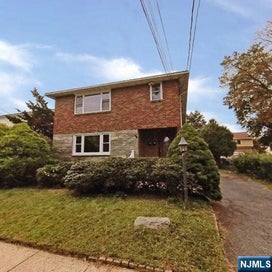

A practical Wallington property guide
In Wallington, the number of units, the tenant file and the transfer certificate belong in the same early conversation. Start with what the property is approved to be, then compare its lease records, condition and closing steps. A listing label or a second kitchen is not a substitute for that file.
Source review: November 3, 2026. Survey estimates, dated planning documents and posted code below are not current listings, property inspections or address specific approvals.
Two unit homes matter here, but history is not today's inventory
The Housing Element adopted and court filed on June 30, 2025 reports 2023 American Community Survey estimates of 5,153 housing units. Its structure table places 1,786 units in two unit structures, or 34.7% of the total. Those are housing units, not 1,786 buildings or homes now for sale.
The same table reports 1,182 detached units and 147 attached units. Another 558 units were in structures with three or four units. This mix makes the approved unit count an early buying question. It does not prove a particular listing is a lawful two family home, a condominium or an income property.
For a home with more than one unit, ask for records showing each approved use and unit, then compare the records with the actual layout. For attached housing, check the deed and any association documents rather than treating the structure type as proof of condominium ownership. Choose from the current listings above, not from the old survey shares.
Match the certificate clock to the closing date
The posted Wallington code, Chapter 178, requires a certificate of continued occupancy before a sale or transfer and also covers reletting. It describes both the permitted continued use and the number and designation of the covered units. Do not treat this certificate as the same thing as a buyer’s private home inspection.
Section 178-6 lists a transfer fee of $25 per unit, due with the application to the Code Enforcement Officer. It also lists a $25 fee for reletting a residential apartment. These are the posted code amounts reviewed on November 3, 2026, not a verified current application quote or a promise about other charges. Ask the office for the current packet and fee before paying.
The code says the application will be issued or rejected within 10 business days of receipt. That is not a promise of approval in 10 days. A certificate lasts 60 days after issuance and is valid for only one transfer. Build time for the inspection and any needed corrections, then check the actual issue date against your planned closing.
The chapter includes an exception for a transfer of new construction when its original certificate of occupancy was issued within 18 months of transfer. Have the office and your closing advisers confirm whether the actual property qualifies. Do not use the exception just because a listing says renovated or newer.
A tenant file is not the same as a vacancy promise
The plan’s 2023 estimates show 1,900 owner occupied units, 3,005 renter occupied units and 248 vacant units. The reported renter share, 58.3%, uses all 5,153 housing units as its base, including vacant units. These figures do not tell you whether a home now for sale has tenants or will be delivered vacant.
Chapter 178 says a tenant under an existing lease may continue occupancy when the tenancy meets zoning and building requirements. It also says title cannot transfer until the certificate is obtained. Read those conditions together; neither a sale nor an application alone proves that a tenant must leave.
For an occupied property, ask your attorney to review the leases, deposits, payment records and any promised possession terms. Compare actual income and expenses before relying on a seller’s estimate. Agree on a lawful inspection and access plan with the people involved. Do not advertise vacant possession, a legal extra unit or guaranteed rental income without the supporting facts.
Use the older housing profile to ask better inspection questions
The plan’s 2023 age table places 3,758 of the 5,153 housing units before 1970, about 72.9%. That is a historical estimate of housing units, not a count of buildings needing repairs. The age table also has a printed typo in one later year range; the older four rows support this calculation without relying on that label.
Ask about the actual heating, electrical, plumbing and water entry history, along with permits for past work. Let the inspection and qualified specialists guide your repair budget. An old construction date does not establish the age or condition of the present systems.
Selling an older home? Gather the work records you have and clearly identify what is missing. Keep a private inspection, construction approvals, any rental obligations and the continued occupancy application as separate questions. One document should not be presented as proof that every other requirement is satisfied.
Flood questions and planned housing need address specific evidence
The retained 2026 Bergen County risk assessment lists 117.85 of Wallington’s 670.57 acres in the mapped 1% annual chance floodplain. The table reports 17.58% of municipal land in that area and 31.46% in the combined 1% or 0.2% area. These are land area figures, not the share of homes that flooded or a result for your address.
For the property you are considering, review the current flood determination, insurance cost, disclosures and water history with the appropriate professionals. A boroughwide land figure cannot settle your lender’s requirements, future insurance premium or the condition of a basement.
The June 2025 housing plan also names possible housing projects. For example, it describes intended development at 1 Midland Avenue and at 2 and 34 Midland Avenue. This dated plan is not proof of today’s zoning, construction stage or available homes. Ask for the current parcel, approval and environmental records before relying on a proposed project or future neighborhood change.
Keep community and block preferences tied to an actual visit and address review. This guide does not rank neighborhoods, promise a commute, rate schools or treat a planning site as a new community open for sales.
Four practical checks before you commit
| Your question | Next useful check |
|---|---|
| Is the advertised unit count approved? | Compare the actual layout, use and unit records. Do not rely on a kitchen count or listing label. |
| Can the certificate fit our closing? | Confirm the current application, office fee and inspection steps, then track the actual issue date and 60 day validity. |
| What happens to the existing tenancy? | Have your attorney review leases, deposits and possession terms alongside the certificate requirement. |
| What could change our total cost? | Use property inspections, insurance quotes and the current address file, not boroughwide age or flood shares. |
GT can help you organize the home search and sale conversation. Your attorney, lender, inspectors and the borough office answer the legal, financing, condition and approval questions in their own areas. Send a general question through the page; do not upload private lease or financial files into a general inquiry.
Questions to ask before a Wallington move
Does Wallington require a certificate before a resale?
The posted Chapter 178 requires a certificate of continued occupancy before a sale or transfer, with stated exceptions. Confirm the correct packet and whether an exception applies with the borough office and your closing advisers.
Is the certificate fee one amount for the whole property?
The posted code lists $25 per unit for a transfer. It also lists $25 for reletting a residential apartment. Confirm the current application quote, covered units and any separate charges before paying; this guide did not independently verify a current fee form.
Does the 10 business day rule guarantee a closing date?
No. The code says the application is issued or rejected within 10 business days of receipt. Inspection findings and corrections can matter. Check the actual certificate issue date because its stated validity is 60 days and one transfer.
Does selling a rented home mean it will be vacant?
No. Chapter 178 addresses a conforming existing tenancy continuing through a title transfer, while still requiring the certificate. Have your attorney review the actual tenancy and any proposed possession terms. Do not infer vacancy from a sale listing.
Are the plan's housing and project figures current listings?
No. The housing figures are 2023 survey estimates reported in the June 2025 plan. Its project discussion is dated planning evidence. Use current listing records for the search and current parcel records for a project's approval or construction status.
Sources and limits
- June 30, 2025 Housing Element and Fair Share Plan: adopted and court filed plan; 2023 survey estimates and dated project discussion, not current availability or completed construction.
- Wallington Chapter 178, Certificates of Continued Occupancy: posted transfer, tenancy, application, fee and validity provisions. Confirm the current application and charges with the office.
- Bergen County 2026 risk assessment: mapped acres of municipal land, not affected home counts, losses or a parcel determination.
Current certificate forms and fees were not independently confirmed from a borough application. Confirm the actual packet, requirements and property records with the office and qualified advisers. GT does not certify a property, tenancy, legal unit or closing date through this guide.