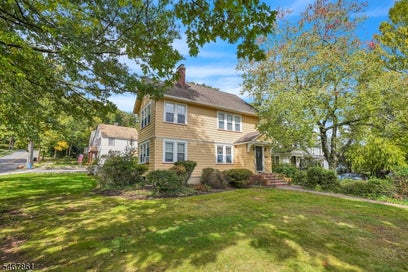
Browse Montclair NJ multi family listings. Check legal units, leases, rent regulation, expenses and sale documents before building an offer or a sale plan.
A Montclair multi family purchase needs two files: the property file and the rental file. Attractive rooms and advertised income do not establish approved units, lawful rent or the expenses you will take over. Start with the local listings, then ask for the records behind the numbers.
Montclair has its own rent regulation office, and its published guidance treats owner occupancy and unit count differently in some cases. A two family listing, a larger building and a home the buyer plans to occupy cannot all be evaluated from the same quick rule. The seller’s current use is not proof that your proposed use or rent increase is allowed. Confirm the facts with the township and your attorney before building an offer around them.
Use this guide to separate asking prices from operating results, current leases from projected rents, and feed categories from legal occupancy. It is intended for buyers comparing actual Montclair properties and owners preparing a sale, not as a promise of profit, financing approval or vacant delivery. GT can help organize the property questions while the qualified professionals review the legal, lending, tax and inspection issues.
Current Montclair multi family listing records
Verify missing or implausible square footage against the listing source and property records. A feed number is not a measured building area.
The search combines the verified Montclair City aliases, Active and For Sale, with Multi Family, Duplex, Triplex and Quadruplex feed categories. It excludes the ordinary single home, condo and commercial search categories; classifications still need property specific verification.
Want multi family listing updates? Open the full results and review its saved search and registration choices. This guide does not create an alert for you.
What the checked listings show, and what they leave open
On October 21, 2026, the public multi family search showed 37 Washington St at an asking price of $2,500,000 and 327 Orange Road at $995,000. A separate active example was 54 Label Street. These different street addresses support a real comparison, but their listing category and bedroom totals do not verify legal units or usable rental income.
The loaded results contained 24 listing records, not 24 verified unique buildings or the whole town’s supply. Different feeds showed Orange Road and Orange Rd records with the same asking price. Check the street, unit information and listing IDs before double counting, and resolve conflicting fields with the property records rather than merging them into a new description.
Any rent, cost or return advertised in a listing is a starting question. Request the actual supporting records and compare closed properties that match the building’s legal use and condition. A condo, detached home and multi family property do not share one reliable town price benchmark.
Begin with approved units and actual occupancy
Confirm the legal use. Ask the township which records establish the approved residential unit count and any other permitted use. A bedroom count, extra kitchen, separate entrance or tax label is not enough by itself.
Match the building to those records. Review the survey, permits, inspection history and any open work with the appropriate professionals. Ask about basements, attics and later changes that affect the current layout.
Identify who occupies each space. Get an authorized occupancy and lease summary, then review the actual agreements through the transaction’s proper document process. Avoid circulating tenant personal information in an informal marketing file.
Check the proposed use separately. If you plan to live in a unit, renovate or change occupancy, obtain advice about that plan. Buying the building does not automatically authorize a change or remove existing tenant rights.
A property listed as Duplex, Triplex or Quadruplex still needs its own legal and physical review. The search filter is useful for finding candidates; it is not a municipal certification.
Montclair rent regulation: do not use a blanket rule
The township Rent Control Office identifies Chapter 257 as its rent regulation framework. Its published FAQ says rental units in nonowner occupied two or three unit buildings and units in buildings with four or more units are included, subject to stated exceptions. It separately lists an exception for an owner occupied building with three or fewer residential units.
That distinction matters, but this guide does not decide coverage for a particular building. Ask the office and your attorney about the actual occupancy, unit count, exemptions, rent history and proposed transaction. Do not assume that an owner’s exemption, a vacant unit or a sale makes any future rent lawful.
The office’s current page calls for annual registration for covered owners by April 1, with a $10 fee per dwelling unit. Obtain the relevant registration and rent records, then confirm what applies and whether anything is outstanding. Use the official registration page rather than treating a past seller statement as current compliance.
Rent increases, vacancy allowances, notices, security deposits and protected tenancy can have separate requirements. Request a property specific legal review; there is no universal rent increase, vacancy or eviction promise on this page.
Turn advertised income into a documented comparison
Current rents
Compare signed leases, authorized rent records and actual receipts. Identify concessions, unpaid amounts and who pays each utility. Keep projected market rent in a separate column; a listing estimate is not money already being collected or proof of a lawful future rent.
Operating costs
Use the parcel’s current tax bill, insurance quote and actual records for utilities, maintenance, management and other obligations. Include reasonable vacancy, repair and future work assumptions, clearly labeled as assumptions. A town average tax bill cannot replace this property’s expense file.
Capital needs
Inspect the roof, heating, electrical, plumbing, drainage and shared areas. Ask about separate meters and responsibility under the leases. A new kitchen in one unit does not establish the condition of the building or fund its next major repair.
Financing and reserves
Ask the lender which documented income, property type and condition it can use. Compare debt payments and the cash you need to retain after closing separately from operating results. Neither a public listing nor an informal spreadsheet establishes loan approval or spendable profit.
Have the tax adviser and other qualified professionals review the treatment of costs and ownership. GT can help organize source questions, but a sample figure is not a promise of return.
Inspection and transfer questions come before the finish line
Ask which local fire, construction, housing or other transfer requirements apply to this building and its use. The township’s fire inspection guidance specifically addresses one and two family change of occupancy paperwork. Do not assume that the same checklist covers a larger multi family building, or that a checked listing establishes compliance.
Plan access with lawful notice and the parties’ agreements. Match inspection findings to the permit and repair file, and have the attorney address leases, deposits, notices and transfer obligations. Closing speed does not remove those steps.
Prepare a supported property file. Gather the legal use information, survey, permits, current tax bill and relevant compliance records. Separate verified facts from seller recollections.
Prepare a controlled rental file. Organize leases, rent history, deposits, registration and operating records. Share sensitive tenant material only through an authorized transaction process.
Set a lawful showing and access plan. Coordinate timing, notice and who will handle questions. Do not advertise vacant delivery unless the actual legal and practical path supports it.
Compare the written offer’s whole result. Look at net proceeds, inspection and financing conditions, document review, tenant obligations and the proposed close. A cash offer is not automatically unconditional.
GT can discuss a market listing and cash offer options based on the property and the written terms. We do not promise that repairs, fees, tenancy issues or title work disappear. Discuss your Montclair multi family propertyOr call (973) 577-9442. A request for help is separate from consent to marketing texts.
Questions worth resolving before you commit
Does Multi Family in the feed prove the legal unit count?
No. Confirm approved use and current occupancy with the responsible office and the transaction professionals. Beds, kitchens and a listing label are not substitutes.
Can I use the listing’s projected rent in my offer plan?
Keep it separate from documented current receipts. Confirm the leases and lawful options before depending on a future increase, vacancy or new tenancy.
Does living in one unit make the entire property exempt?
Do not assume that. The township’s published guidance distinguishes some owner occupied buildings with three or fewer units from larger buildings, and exceptions and actual facts matter.
Will a cash buyer let me skip tenant and transfer issues?
No. Review the actual contract and legal obligations. Cash funding does not itself establish vacant delivery, compliance or a guaranteed closing date.
A property address is a start, not an income review
Share the actual property address, approved units, leases, rents and expenses when you ask GT for a value. A GT agent compares the building with recent sales of similar properties. A multi family sale needs an appropriate property and income review, not just a general home estimate.
Home value request
A GT agent reviews real sales near you and sends you a value.
Tell us the address and a little about the home. An agent compares it with recent sales of similar nearby homes, then reaches out with a value range. This is not an instant number and not an appraisal.
For township taxes, historic districts, school enrollment and current travel guidance, use the Montclair home and local guide. It links to the responsible public offices rather than treating a listing field as approval. Compare nearby Glen Ridge, Bloomfield and Essex County without assuming their buildings or rules are the same.
Researched October 21, 2026. Public Showcase IDX observations are listing information, not independent MLS-seat, title, legal occupancy or association verification. Prices, fees and availability can change. This guide is general information; use qualified legal, tax, inspection and lending advice for the actual transaction.